Sparkling snow!

I was away from Marlinton the first weekend with thick, soft snow, and lent my new-to-me skis to birding friend Kathy. When I got back to town, she and her beau encouraged me to head out that evening before heat and rain washed it away the next day or two. It was soooo beautiful!

The Greenbrier Trail (rail-to-trail) runs through Marlinton (to Lewisburg, south, and Cass, north).
Knapp’s Creek west of the bridge.
Knapp’s Creek flows in from the east on the south side of town, meeting the Greenbrier River that flows from the north on the west side.
Knapp’s Creek east of the bridge.
Moon over Marlinton.

A month or so ago, found a beaver just a little farther east of the bridge.

It’s private land along most of the creek, so wasn’t able to search for signs of a lodge too far up or down river. I later learned they may make a home in a bank.
A beaver busy foraging in Marlinton in Knapp’s Creek last fall.

During the Christmas bird count, we got to see 4 otters munching on fish while bald eagles perched and flew above watching them. A few videos and photos are posted on Flickr here and another beaver (and 3 otters) here. One otter was rushing down river alone when I saw this beaver. The lone otter was calling out loudly, clearly trying to find his or her family. I saw the 3 otters in another spot, so hope they reunited.

You can find videos with otter vocalizations on YouTube (and likely elsewhere).

Wishing peace

Happy New Year!

In case you’re wondering where I can be found, I took a position as a botanist/ecologist in the South Zone of the Monongahela National Forest, with USDA Forest Service, in February 2023. I’m in Marlinton, WV, learning lots, with a terrific crew, and slowly figuring out how everything works—I have a red card that allows me to help with prescribed fires and am now certified as a class A sawyer! I had the chance to take a pollinator position in Alabama, but wanted to be closer to Mom, who turned 90 last March and lives not too far away in VA. I miss Greensboro folks and others I got to see more regularly, as well as Xerces folks, but it’s good to grow. Hoping to go cross-country skiing with a big snow expected this weekend. I got to see 4 otters (!) with 2 eagles watching them eat fish, plus my 2nd beaver during the Christmas Bird Count. I’ll be thrilled if I get to see the rare rusty patched bumble bee and spotted skunk that inhabit these parts. LOTS to explore. Although Marlinton has only ~900 residents now, it has a wonderful Opera House with a terrific series of performances and the region offers lots to attract visitors, including a music camp here in June and two maple festivals. And Blacksburg is just 2 hours. Hope you’ll come visit!

Wishing joy and peace, as always! Praying for an end to war.

With love, Nancy

A bit about wildflowers for the Blue Ridge Discovery Center

The folks at the Blue Ridge Discovery Center reached out to Mount Rogers Naturalist Rally trip leaders and other folks who might help write about the plants, animals, geology, and ecology of the region for a local guidebook they are working on. Since I’ve been helping John Kell, recently retired biology professor at Radford University, lead the wildflower walk along the Whispering Waters Trail in Grindstone Campground (part of Jefferson National Forest), they asked me to help with some of the wildflower blurbs. Since it’s not clear if they’ll use any of it, asked it if it would be ok to post here. I’ll try to add some photos of plants, too. It was written very quickly and may jump around a bit, as they had certain plants they wanted to include. Thanks to Executive Director Lisa Benish and Program Coordinator Ali Reilly for reaching out.

Fall and Winter Buds and Blooms

As winter approaches, some animals put away stores for winter and find crevices or underground nooks for shelter or hibernation. Many insects are protected in pupal cases for the winter underground, in or on twigs or in other cavities. The leaves, twigs, branches, mosses, and other plants that cover the soil feed a huge diversity of tiny animals while blanketing the soil. The vegetation helps slow and clean water, enhancing infiltration into soil and replenishing watershed aquifers. Diverse soil-dwelling micro-and macro-organisms ensure nutrients make it up the food chain. 

This image has an empty alt attribute; its file name is pipevine-swallowtail-chrysalis-1200-on-betula-allegheniensis-crpd-nancyleeadamson-copy.jpg
Pipevine swallowtail butterfly chrysalis (Battus philenor) blending in perfectly on sweet birch (Betula lenta).
This image has an empty alt attribute; its file name is p1050220-pipevine-1200-maybe-chrysalis-on-wooden-shingles-copy.jpg
I’m pretty sure this is also a pipevine swallowtail chrysalis, but here it’s blending into the old chestnut bark shingles of the Konnarock Training School that now houses the Blue Ridge Discovery Center.

In fall, asters, goldenrods, mistflower, gentians, sunflowers, tickseed sunflowers, and many other plants provide nectar and pollen that is vital for insects that overwinter in the region and for insects and hummingbirds migrating south. Goldenrods (Solidago and Euthamia spp.) and tickseed sunflowers (Bidens spp.) are among the most important for migrating monarch butterflies. Sweet Goldenrod (aka Anise-scented Goldenrod, Solidago odora) and many others have medicinal uses (as poultices, for fever, etc.—see the Native American Ethnobotany database naeb.brit.org). Some you may see in the Mt. Rogers area are easy to grow at home. Both Heart-leaved Aster (aka Blue Wood Aster, Symphyotrichum cordifolius) and White Wood Aster, Aster divaricatus are beautiful woodland asters that are relatively small, and can make wonderful groundcovers, filling in open spaces in shade to part-shade gardens. Larger species you may see include Late Purple Aster (Symphyotrichum patens) and Wavy-leaved Aster (Symphyotrichum undulatum) in moist to drier upland areas and Purple-stem Aster (Symphyotrichum puniceum) in wetter areas. Blue Mistflower (aka Wild Ageratum, Conoclinium coelestinum) seems to bloom all at once in late summer or early fall, often growing in roadside ditches or in open wet meadows, and it does well in average garden soils, too. Like asters, its beautiful lavender-blue flowers attract many butterflies and other insects; it can be mowed or cut back, if needed, and will still flower. 

This image has an empty alt attribute; its file name is pa140439-monarch-1200-on-helianthus-angustifolius-nladamson.jpeg
Monarch butterflies (Danaus plexippus) and many other pollinators depend on fall-blooming plants like this narrow-leaved sunflower (Helianthus angustifolius) for nectar.

As you walk the woods in late fall, you can see the flowers of one of our most beautiful mid-story trees, Witch Hazel (Hamamelis virginiana). Fragrant flowers with very long, thin, wavy petals, usually yellow, but sometimes dusky rose-yellow, cluster along the silvery branches. Often found along creeks, you’ll also see them in rocky outcrops at higher elevations, showing off their flowers against the backdrop of red, orange, and yellow autumn leaves. When the shiny black seeds ripen, the capsule shoots them out like tiny black torpedos. Flies, moths, bees, beetles, and wasps pollinate the flowers and it is a host plant for more than 30 kinds of moth larvae.  

Winter is an extraordinary time to discover and learn about the trees. In summer, you might get away with just knowing the leaf shape, but winter helps you “see” the whole tree and notice the subtle and not-so-subtle differences in form, bark, branching, leaf bud, and leaf scar. 

In late winter, skunk cabbage (Symplocarpus foetidus) flowers create their own heat and melt snow if present when they emerge in late January to March. The dark maroon color, heat, and moisture of the spathes (a firm leaf-like hood enclosing tightly clustered flowers known as a spadix) mimic fresh carrion, attracting diverse small flies and beetles for pollination. Besides hosting at least three caterpillar larvae, bears and snapping turtles eat the leaves. Another common name is Bearweed.

Early Spring

The Mt. Rogers area has some of the most spectacular spring wildflower displays of the Blue Ridge Mountains, due in part to the diversity of ancient rock underlying plant communities. Spring ephemerals are wildflowers in the understory that come up before overstory leaves shade the forest floor. They are called ephemeral because their leaves and flowers may die back once the trees and shrubs leaf out and summer brings drier conditions to the forest floor. Huge carpets of Trout Lily (Erythronium americanum and Erythronium umbilicatum) and the locally common, but state rare, Fringed Phacelia (Phacelia fimbriata) are breath-taking. Along with many other spring ephemerals like Spring Beauty (Claytonia virginiana), Cutleaf Toothwort (Cardamine concatenata) Wild Geranium (Geranium maculatum), Jacob’s Ladder (Polemonium reptans), Bellworts (Uvularia grandiflora, Uvularia perfoliata, and Uvularia puberula), Trout Lily and Phacelia are the hosts of pollen specialist bees who depend wholly on those plants for pollen to provision nest cells for their young. Many other pollinators visit the flowers, including tiny flies who are active in cooler, wetter conditions than many bees. Trout lilies, like many flowers, attract pollinators with color patterns that may seem dramatic, but if we could view them in the UV spectrum that bees see, would appear almost like neon trails screaming “this way to nectar!” Others, like some Clustered Sanicle (aka Snakeroot, Sanicula odorata), have inconspicuous, but wonderfully fragrant flowers that fill the trails with their sweet odor.

This image has an empty alt attribute; its file name is p5010882-1200-andrena-distans-maybe-on-geranium-maculatum-.jpg
Though I can’t be sure without looking at this bee under a microscope, there’s a good chance this is a mining bee who specializes on geranium pollen, Andrena distans. I have often found males in the afternoon barely moving, and I assume they have bedded down for the night since they don’t have nests to sleep in, and there’s a good chance they’ll encounter a female visiting the flower.

One of the earliest spring ephemerals to flower is Hepatica (aka Liverwort, Hepatica americana or Hepatica acutiloba), ranging in color from white, pink, blue, to lavender. While the big flush of spring ephemerals covers the forest floor in late April to late May, you need to make extra early trips in March to see Hepatica. Bloodroot (Sanguinaria canadensis) follows soon after Hepatica, brightening the forest flower with large white flowers with bright yellow anthers. Their seeds are disperse by ants who are attracted by a sweet fleshy appendage called an elaiosome, rich in fat and protein. The ants carry the seeds home, chew off the elaiosome, then discard the seeds nearby, thereby helpful to spread them through the forest. Three other beloved early spring bloomers include Dutchman’s Breeches (Dicentra cucullaria) and Squirrel Corn (Dicentra canadensis) with somewhat similar white flowers, and Bleeding Heart (Dicentra eximia) with pink, heart-shaped flowers. Dutchman’s Breeches flowers look like tiny pantaloons hanging upside down. Squirrel Corn flowers look more like hearts with wings and if you very gently pull away soil at the base of their stems, you’ll see little yellow corms that give it its common name. 

May Apples (Podophyllum peltatum) shoot their tightly bundled leaves up in large numbers, opening umbrella-like over their bright white flowers. The fruit are a favorite turtle food, but not “good apples” for people. In the Mt. Rogers area, seeps support a much larger Umbrella-leaf (Diphylleia cymosa) that has beautiful bright clusters of white flowers instead of the single (and also lovely) larger flowers of May Apples.

This image has an empty alt attribute; its file name is p4052649-copy-1200-hepatica-w-bee-copy.jpeg
I don’t know why we fall for certain plants, but this is one of my favorites, hepatica (aka liverwort or liverleaf), and you need to get out very early in spring before most of the spring ephemerals are in flower if you want to enjoy these blooms. This one is sharp-lobed hepatica (Hepatica acutiloba), which is a little bigger than its round-leaved cousin. I was so happy to capture a bee visiting, as the weather’s often too cold for bees when they’re in bloom. I suspect flies play an important role in cross-pollination since some are active in cooler conditions, and I understand hepatica can also self-pollinate.

Another beloved spring wildflower is Jack-in-the-pulpit (Arisaema triphyllum) whose bent flower seems to make a canopy for “Jack” the spadix jutting above the spathe (lily flower) to give its common name. The plants can transform from male to female over time as conditions change. Don’t be fooled by their bright red berries later in summer, they are not mammal-friendly fruits—they are full of tiny sharp crystals and phytochemicals that protect the seeds. 

A little later in spring and into summer Golden Alexanders (Zizia aptera, Zizia aptera, and Zizia aurea) with tiny clusters of yellow blooms, various kinds of cinquefoil (Potentilla spp.), and Star Chickweed (Stellaria pubera) light up the forest floor with their bright flowers.

Among the early spring flowering trees, one of the first to bloom is Serviceberry (aka Shadbush, Juneberry, Amelanchier species). The beautiful white flowers are a welcome sign that spring has arrived! The delicious fruits ripen in June at higher elevations and earlier in others, ready to eat when red, but sweetest and most flavorful when a dark blue-purple. The fruit has been used by some indigenous peoples to make pemmican (a nutritious combination of berries and meat dried for eating through summer and over winter). Blooming so early, it cannot always rely on pollinators, but fruit set is better with visits from flies, bees, wasps, and beetles. Some flies tend to tolerate colder wetter conditions better than bees except for the large furry bumble bees, so are very important pollinators in our forests.

This image has an empty alt attribute; its file name is p4020252-amelanchier-1200-copy.jpg
The serviceberry flowers attract many pollinators, but they are also self-pollinating since they are among the earliest and can’t depend on warm enough conditions for visitors.

Other early blooms to look out for are the deep burgundy flowers of pawpaw (Asimona triloba), whose “meat-like” flowers attract carrion flies, but are visited by diverse pollinators. Stop and take a close look at these bell-like beauties when you have a chance–two sets of three petals surround a perfect globe of male parts below the protruding female stigmas. As soon as you see leaves emerging, keep an eye out for Zebra Swallowtail butterflies (Eurytides marcellus), whose caterpillars depend on pawpaw as their primary host plant. Truly one of our most beautiful butterflies–black and white stripes give it the name zebra and a pair of red spots add even more zing. The pawpaw fruit ripen in late summer into fall. In the Custard-Apple Family (Annonaceae), eating the fruit is like having a very fragrant creme-caramel custard or flan (best when not too ripe). 

When you see Pinxterbloom Azalea (Rhododendron periclymenoides) in flower in early spring, keep an eye out for hummingbirds migrating north. Over millennia, the hummingbirds have matched their migration with these first flowers of spring, along with Coral Honeysuckle (Lonicera sempervirens). Though our native honeysuckle vine is more common in the Piedmont and Coastal Plain, you can find it in the mountains. Climate change has affected plant and animal life cycles, so one worry is that unseasonably warm or cold temperatures could cause a mismatch in bloom time if an animal is following (stimulated by) light signals more than temperature to start its migrations north or south, or emerge from hibernation, leading to starvation for the animals and less pollination for the plants.

This image has an empty alt attribute; its file name is p4130267-rhododendron-periclymenoides-1200.jpg
Don’t these pinxterbloom azalea (Rhododendron periclymenoides) pistil and stamen just seem to be inviting to gently tickle the tummies of hummingbirds and stroke the wings of butterflies? In these flowers, the female pistil has the darker tip, and the male stamens are more numerous with the lighter colored tips.

Amidst the high elevation meadows common in the Mt. Rogers area due to grazing, there are many hawthorn trees (Crataegus spp.) that support diverse bees. In early spring, Small’s Ragwort (aka groundsel, Packera anonyma) creates carpets of yellow below the abundant white hawthorn flowers. 

In May and June, the Flame Azaleas (Rhododendron calenmdulaceum) light up the mountains with their red, orange, and yellow flowers, inviting visitors from around the world to enjoy their fire. Along with hummingbirds, butterflies, moths, bees, and other pollinators will collect their nectar and pollen. A little later, many small bees and other insects find Black Cohosh (Actaea pachypoda), one of the few flowers blooming in the shade and hosts the Appalachian Azure butterfly (Celestrina neglectamajor). Higher up in the canopy, black locust (Robinia pseudoacacia) and sourwood (Oxydendrum arboreum) provide abundant nectar to feed diverse native bees, but also the European honey bee that many farmers manage for honey production in the mountains.

Summer

Several kinds of beebalm (Monarda) are found in the region, all tremendously important for bees, especially bumble bees, including the rare rusty patched bumble bee, Bombus affinis. In forests in the mountains, White Bergamot (aka Basil Beebalm, Monarda clinopodia) can be found in rich shady dry uplands, while the lavender flowered Wild Bergamot (Monarda fistulosa) can be found in sunnier roadside edges and clearings. Scarlet Beebalm (aka Oswego Tea, Monarda didyma) grows in wetter areas, in shade or sun, beckoning hummingbirds with its bright red flowers. Other summer plants hummingbirds and bumble bees love include Jewelweed (two species of Impatiens), beardtongues (Penstemon species), Cardinal Flower (Lobelia cardinalis), and garden and woodland phlox (Phlox species). Jewelweed provides a soothing balm for poison ivy (Toxicodendron radicans). Other summer bloomers that are especially valuable for bees, butterflies and other pollinators include blazingstars (Liatris species), Oxeye Sunflower (Heliopsis occidentalis), Tall Bellflower (Campanula americana), Wingstem (Verbesina alternifolia) and Crownbeard (Verbesina occidentalis), Great Blue Lobelia (Lobelia siphilitica), Black-eyed Susans (Rudbeckia species) and diverse native perennial sunflowers (Helianthus species). Lilies like Canada Lily (Lilium canadense) and Turk’s-cap Lily depend on butterflies for pollination, while vines like Dutchman’s Pipe (Isotrema macrophyllum) host the caterpillars of Pipevine Swallowtail Butterflies (Battus philenor), beautiful chocolate-brown velvety caterpillars with bright red dots warning predators they are toxic (from consuming Dutchman’s Pipe tissue).

This image has an empty alt attribute; its file name is p7142670-monarda-w-bombus-1200.jpg
Bumble bees, including the rare rusty patched bumble bee, seem to favor bergamot (aka beebalm). This one is is white bergamot or basil beebalm, Monarda clinopodia. When the bee sticks her or his tongue deep into the flower, the weight of their body on the lower petal pulls the male stamen over and pollen is deposited on the bee’s backside.

These wildflowers all support adult monarch butterflies with their nectar, but monarch caterpillars need their host plants: milkweed and milkweed vines, to grow from caterpillar into pupa, then transform into adult butterflies. Milkweeds common in the mountains include Butterfly Milkweed (Asclepias tuberosa), Common Milkweed (Asclepias syriaca), and Poke Milkweed (Asclepias exaltata). Climbing Milkweed Vine (Matelea obliqua) and White Milkweed (Asclepias variegata) are a little less common.

This image has an empty alt attribute; its file name is p5251661-asclepias-variegata-copy.jpg
I had the chance to stay at Indian Boundary Campground in Tennessee last spring (2022) while participating in a field course with NRCS. By chance, one of my team had previously worked with the crews that annually or at least pretty regularly burned the campground understory in the off season. This white milkweed or redring milkweed (Asclepias variegata) was one of the many wonderful wildflowers that thrived with the prescribed burns. Besides Grindstone Campground, not far from the Blueridge Discovery Center, I’ve never seen such a rich diversity of wildflowers surrounding each campsite and I wish more campgrounds were able to incorporate prescribed burning into their management regimes.

Some additional verbage removed:

In Virginia, the genus Aster includes only one species, Tartarian aster (Aster tataricus), introduced from Europe. Based on genetic research, most of our native asters are now in the genus Symphyotrichum, while others have long been in the genera Doellingeria, Eurybia, Ionactis, Oclemena, and Sericocarpus. Still others that have aster in their common name or look a lot like asters include Boltonia, Chrysopsis, and Helenium.

RESOURCES

Digital Atlas of the Virginia Flora http://www.nativerevegetation.org/era/ – Find the distribution and native status of plants for each county in Virginia.

Ecoregional Revegetation Application http://www.nativerevegetation.org/era/ – A national plant database organized by ecoregion, with all sorts of useful information, including known pollinators.

Native American Ethnobotany database naeb.brit.org

Pollen Specialist Bees of the Eastern US https://jarrodfowler.com/specialist_bees.html

Mom’s doing great

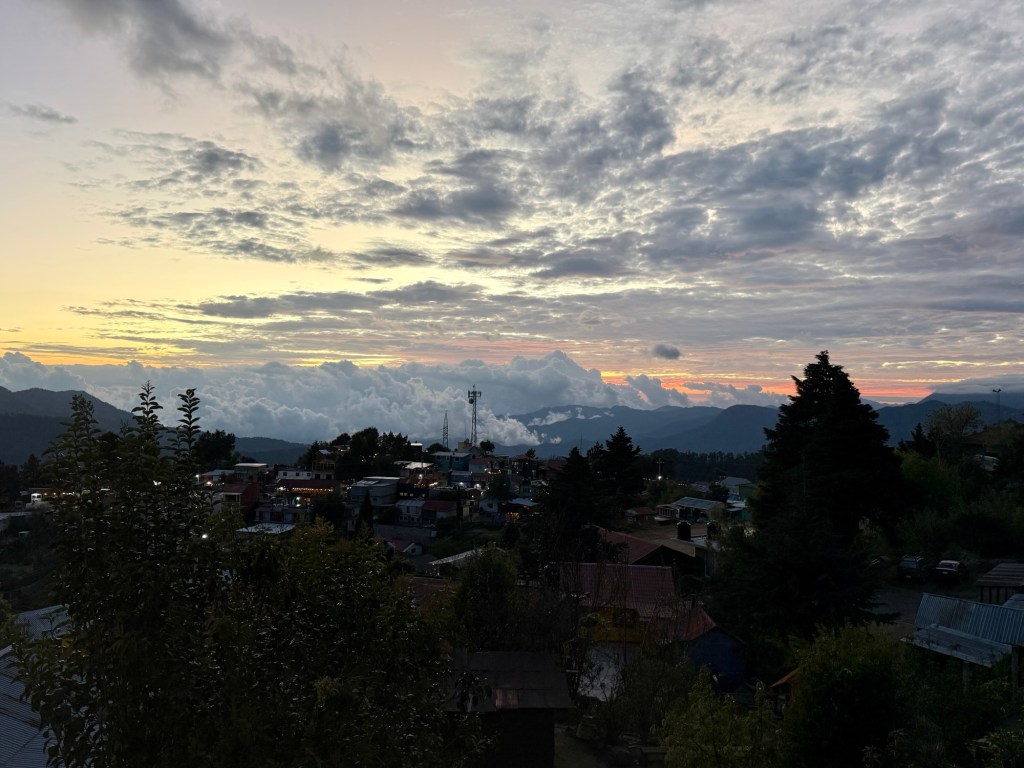
I’m redoing the blog site to be more work oriented, so changed the “About” page that had this photo. Things are still “in the works,” but hope to update bit by bit. The blog will be more ecology oriented though I will do at least one more re rest of time in Morocco. Mom is…
April 26, 2022

Couscous & Bridge Over Troubled Water

This is typical breakfast soup of crushed barley topped with olive oil called belboula. More than enough. Notice the ashtray. That’s the one thing about here that would make it hard or impossible for some to visit. Although several people have mentioned not using or at least reducing sugar in tea (and encourage me to…
July 11, 2021

Sea slug video clip

My first sea slug up close, so I googled to doublecheck. Many are brilliantly colored; search « sea slug images. » Even though not bright, still beautiful, aye? Still, try the google search if, like me, sea slugs are pretty new.

June 26, 2021

Open document settingsOpen publish panel

  • Page

Mom’s doing great

I’m redoing the blog site to be more work oriented, so changed the “About” page that had this photo. Things are still “in the works,” but hope to update bit by bit. The blog will be more ecology oriented though I will do at least one more re rest of time in Morocco.

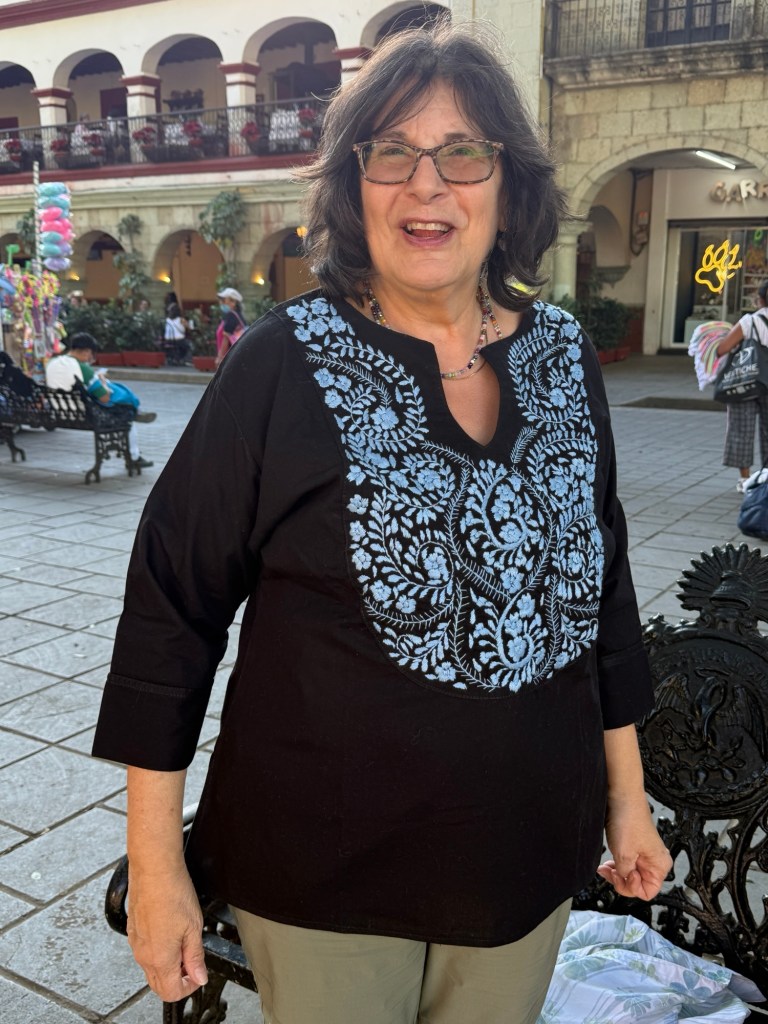
Mom is doing well, after a fall in October 2020 that led to a broken hip and shoulder, then another fall chasing a Moscovy duck from her patio in 2021. No broken bones from her nemesis Dr. Quack, who always greeted everyone with a welcoming wag of his or her tail and hope in his or her eyes, and was later relocated, to the neighborhood’s relief. This photo is from before her falls. I’m wearing a butternut and resin pin/necklace friend Julien made and gave to her, and I borrowed to go with the earrings he also made (thanks, Julien). She lost 30 lbs after the fall, related to two large doses of general anesthesia for her surgeries. If you need surgery, see if a local can do the trick instead of general–she didn’t really have an option…

The blog will continue to be a bit more personal than professional and I still have a bunch of photos from Morocco I’d like to upload and share.

I made it briefly to Fez, Marrakech, Imlil (in the mountains near Marrakech–my favorite of the few places I got to visit due to the wonderful organizer and his love of community), a neat birding spot Moulay Bousselham Lagoon, a super sweet family in a less touristy area near Ouezzane, the beautiful blue town of Chefchaouen and a national park just north of there. I had a quick dip in the Mediterranean Ocean in a part of the country where more people speak Spanish as a second or third language than French and encounters with native chameleons, then headed inland in search of Barbary macaques near Azrou. Then it was back to Rabat with deep empathy for folks who face chronic pain from sciatica, regret for not being able to meet and work with more farmers, and appreciation for all the wonderful scientists and other folks who shared a bit of time with me. No trace of sciatica now, thanks to lots of digging for a big vegetable garden and native plantings…and lots of anticipation as things flush out with spring.

Couscous & Bridge Over Troubled Water

In Tunisia, after saying “hello, how are you” multiple times, the next question everyone (I was about to say nearly, but it really is everyone) you meet asks, “have you eaten couscous?” In Morocco, at least in Rabat, people tend not to ask so many questions, but the other day I stopped by this grill where they have every kind of meat, except goat and pig… (sorry all you vegetarians and vegans when you look at the next photo). As I was waiting for my two little kabobs to be grilled, couscous was served behind the counter to the crew working there. As one of them called to the other to come eat, they both looked at me in delight and said, “have you eaten couscous?!?” and invited me to sit down with them! If you’ve never had couscous, that’s the word for grain as well as the dish, which is mostly vegetables (and I generally fix all veggie at home in the US, except when Mom was anemic and I started using lamb). In Tunisia, they often serve it so that there is one large piece of each veggie and a piece of meat for each person. It might have beef, chicken, lamb, or fish, even sausage sometimes. In Morocco, they often serve it with a mixture of raisins and onions dolloped on top, along with some warming spices in the sauce (such as cinnamon), and seems like they tend to bake it in the tajine clay pot, too. In Tunisia it usually has lots of chickpeas, but you can just see the foul (fava bean) at the front of the dish…yum!
I had hoped to get who I believe is the owner in the photo, but he stepped back, though gave the ok for the photo. I’d only stopped by once before, the first time I noticed the shop, and he explained that day what everything was. In the front, it’s chicken, then rat (I found this BBC piece https://www.bbc.com/future/article/20151207-the-countries-where-rats-are-on-the-menu), then brain (presumably of beef), then each of the meat skewer sets are specific parts like heart or liver, then turkey with turmeric). There are really beautiful rats across the street from me that live with the cats and I only recently learned that we have some native rats (woodrats) in Greensboro that are also tremendously cute, which are actually species of concern in the state (https://www.ncwildlife.org/Portals/0/Conserving/documents/Protected-Wildlife-Species-of-NC.pdf). I’ve always had that typical stepping back reaction to city rats, but these are like big field mice.
This is where I typically stop and have dinner or fresh orange juice. These tiny little Mom & Pop shops have whatever they happened to fix that day on hand. The birds were new and older son was pretty perky after having the summer flu the last few times I stopped by. His younger brother really wanted to climb up there, too…More often they were sitting toward the back of the shop with Mom cooking in the room behind, so it’s been nice to see them out playing more (maybe it was just because of the cold/flu). Dad always serves me, but Mom is super warm and friendly and hope I’m able to get their photo one of these days, too…Dad’s more reserved but clearly very kind-hearted, and it’s always pleasant to sit there for a few moments, right next to the outdoor market. The king’s photo is in every store.
There’s a woodworking shop next door and I’m so impressed by the intricate work they do. That’s an old Christian church at the end of the street, converted into a community center.
Here are some of the typical meals c/o this sweet Mom and Pop shop–some of the tastiest meals I’ve had in Rabat! Eggplant is one of my favorites and this day they had a somewhat spicy greens dish (not sure exactly what), plus Spanish-style “tortilla,” a potato and egg omelette with parsley and onion, a treat for me having lived with a family in northern Spain very briefly as a teen.
I wasn’t very hungry when he served this and I tried to decline the little fried potato piece on the left, but the Dad insisted, saying it was something special by his family and delicious, and it was–Indian style (to me) mix of potatoes and spices, totally yummy! I guess the fish is a kind of flounder–any of you anglers know? I’ve only seen it there once, but I tend to arrive later in the day and suspect they mainly serve lunch.
This is the fancy breakfast at a cafe down the street from me, where I’ve gone on the weekend sometimes. I have to be really hungry to eat all this!! Friend Pat asked me about breakfast–I never would have thought to take photos of meals…

This is typical breakfast soup of crushed barley topped with olive oil called belboula. More than enough. Notice the ashtray. That’s the one thing about here that would make it hard or impossible for some to visit. Although several people have mentioned not using or at least reducing sugar in tea (and encourage me to decline sugar) because of awareness of diabetes problems (usually a relative), smoking is rampant, like 30 or 40 years ago in the US.

Well, I started this blog with the couscous invitation and wanted to end with a Bridge Over Troubled Water. I’ve been having some sciatica issues and understanding some walking is good, plus I especially love to walk along the coast in the mornings, so I’ve been doing that, but then catching a cab once I turn inland at the first road up the way (normally I’d walk about 2 km or so to the tramway and have been doing that still on the way home when less in a hurry).

The other day, as soon as the taxi driver learned I was American, he started speaking in English and the first thing he said was, “do you know Bridge Over Troubled Water?” then he talked about all the other American songs he loves. I tend to think of carpenters as philosophers, but I suppose cab drivers have a lot of time to think, too. Well, he was my Sufi blessing for the day, and I hummed “Almost heaven West Virginia…” which for some reason kept taking over every time I tried to remember “Bridge Over Troubled Waters” the rest of the day. Mustafa has been driving a cab in Morocco for 24 years and no doubt he’s been bringing joy and peace to people his whole life.

Sea slug video clip

My first sea slug up close, so I googled to doublecheck. Many are brilliantly colored; search « sea slug images. »

Even though not bright, still beautiful, aye? Still, try the google search if, like me, sea slugs are pretty new.

More mussels and some different plants

Bees in Rabat

iNaturalist suggested this was a furrow bee (Halictus sp.), but I’m really not sure. It’s on a relative of knapweed, Centarea sp.

The first day I walked into the grounds at ICARDA, just a few steps in, a wild bee ran into me, hitting my face mask. I took it as an appropriate sign of welcome! Since then, no more bees have run into me, but I’ve been using my phone to capture photos of plants and insects as I walk around town. I have not mastered taking good close-ups with the phone. I’m still learning to use a new-to-me regular camera and am images from both here.

A mining bee, that may be Andrena florea, a pollen specialist for this wild cucumber called Bryonia. It’s growing as a weed at the center where I work, and it was just a neat coincidence I captured the photo the same day I learned about this particular specialist. Since working on squash bees, I’ve always been curious about the wild cucumbers in the US. They say our squash pollen specialists Peponapis and Xenoglossa traveled north with the cultivated squash from Central America that indigenous peoples brought north.
One person on iNaturalist labeled this as a subspecies of honey bee, Apis mellifera intermissa, the Tellian honey bee, which is characterized by the dark colored body. In the US, we say that the honey bees are active later in the morning and stop being active earlier in the evening than a lot of native bees. Here, where the honey bees are native, I have found them more often than other bees. That could be displacement or saturation (so many honey bees, the others moved elsewhere), but who knows? Of course, it’s a city with a lot of cultivated plants, and the other bees may not be as well adapted to city life and introduced plants (honey bees are generalist foragers), but it’s interesting to me how often I see only honey bees.
A large carpenter bee, Xylocopa sp., being bombarded by a leafcutter bee, Megachile sp. on thistle. Any insights welcome!! This was at Chellah, the Roman fortress where the white storks nest.

When friends helped me come up with the name Wild Bee Plantings, thought it would be a good place to share photos of the bees I saw in the Southeastern US, and also “plant” ideas for using more natives. Instead, I’ve been posting to iNaturalist since last spring’s virtual Mt Rogers event got me using the app. When you share photos c/o iNaturalist, if sharp enough and including key features at appropriate angles, they can become useful records for adding to baseline data about wildlife. Besides that, it’s an amazing tool for identification with a huge community of collaborators. You can post sounds, too–using the app to record (have not figured out yet if or how you can upload separate voice recordings). The photos I post there are rarely especially beautiful, but if I don’t know what they are, the app suggests possibilities and if that doesn’t work, volunteers will help identify it eventually to as close as to species as they can (if not, then family or genus).

I wanted to explain why I’m not posting many bees here, so if you want to check out what I’ve seen in Rabat, visit https://www.inaturalist.org/observations?place_id=any&user_id=adamson&verifiable=any. You’ll notice what seem like duplicates, and that’s because you need to have a separate entry for each species, and I usually also want to identify the plants. I’ve been uploading a lot of cultivated species, trying to learn or relearn plants here, but some of the wild plants I’ve documented were added to an African flora group–which is really neat! If you decide to try the app, just label photos in gardens when you upload those images (there’s an option to click “cultivated.”). Besides helping document wildlife, you’ll get to see what’s around you and connect with others, if you want.

Around town

Just a few more photos from the first few weeks here.

I’m not sure the right way to translate into English, but this is the School of Architecture that’s part of the same campus where my office is.
Roller-blading is popular. The smoother sidewalk in one of the king’s parks near Chellah had lots of families with skateboarders. I love these trees along the road that goes by the botanical garden.
I keep seeing this gentleman around town, the most beautiful posture and he looks like a horseman, but the clothes are in tatters.
Bougainvillea!
Love how folks plant wherever there’s a little soil, or the put pots or long planters all over the sidewalks.
Men are out early sweeping the sidewalks every day.
A city crew came through and pruned the palms. Keep meaning to ask about it. Not sure if it stimulates growth or cuts back water needs over the dry summer…but the palm fronds are the brooms used by the fellows who sweep in the mornings…
One of the quirky things I love. An optical illusion paver. I saw a whole sidewalk of it another day but I must be the only person who would love this…
Just a couple doors/ironworks. Doors are one of the things you find in postcards, so I’m not the only one who loves these…

Oudaya, the medina, and Chellah

These are mainly street images of the oldest part of Rabat, called Oudaya, that sits on the highest point in town overlooking the beach, and some of the outer edges of the medina with old style architecture that I love. The photos with blue in the walls are all part of Oudaya. I’ve only taken a couple photos of the interior parts of the medina, mostly the new wood work in the part that is a bit more touristy. They are doing renovations in other parts. Chellah is a Roman ruin that was later inhabited by Moroccan royalty. An Asturian colleague (Asturias is the northernmost province of Spain, just west of the Basque country, where I was lucky enough to spend a couple months with a wonderful family when I was a teen) recommended visiting it, but it is closed for renovations. A young tour guide, Hussein, gave me a tour of the grounds. He knew all the plant and animal names in English, which he’d learned from his father, who was (and maybe still is) also a tour guide. The site has tons of storks nesting in eucalyptus trees they have rearranged for their nests.

I was trying to capture the birds of prey that are tiny specks above the closest street lamp. This is the road up to Oudaya from the beach.
My first venture to the medina, I asked a mom and her daughter for directions, and they suggested I join them (as they were headed there). They skirted around the northern edge to take me to the older part of the medina and were so happy to show me this view of the beach in Sale (across the river) just near the eastern entrance to the medina. And they encouraged me to visit Oudaya another day.

Oudaya is just to the left, across the street and farther up the hill.

Oudaya. The door below is just to the left of the entryway here.
Oudaya reminds me a lot of an older part of Tunis called Sidi Bou Said.
A lot of people visit Oudaya to walk to the far northeastern corner for this beach overlook.
Not sure what to make of the graffiti.
Dar Baraka means House of Blessings.
I followed this sign that says “rural pottery earth of women,” thinking there would be a shop. Many other folks were taking the path, as well, which led down a long hill to a beautiful cafe where the waiters wore traditional clothing and served teas in lovely colored glass, along with lots of sweets, if you wanted them. The only way out was back up the hill. I didn’t find the earth of women pottery, except along the walk.
You’ve seen sleeping beauty before, but now in context.
View from the cafe of the Bou Regreg River flowing into the Atlantic Ocean.
This is back at the entrance to the old medina, where the mom and daughter led me. This is the more touristy part of the medina and sadly was pretty empty. They are ready for more people to visit!
All the woodwork is new and very beautiful craftsmanship. The city is full of artisans. The less touristy part of the medina was a lot more croweded…
Friends who know fossils encouraged me to be on the lookout in Morocco. Hope to make it to the mountains to see where some of these may have come from.
Not sure if they are renovating or salvaging. I imagine that preservation is not easy,
In Tunisia, friends lived in the medina and even if right above a noisy walkway, the homes were quiet inside. The thick adobe walls make it really comfortable all year round–cooler than outside in summer and warmer than outside in winter. Newer construction–rebar and cement–was not nearly as nice and it was usually warmer outside in winter. Many medina homes also have large interior courtyards filled with plants where women would sit to do chores like clothes washing or shucking peas while children played.
This is on the northern edge of the medina.
Chellah, the ancient Roman site, is south along the Bou Regreg River, home to a lot of birds. The interior is closed for another 2 months at least for renovation, and has been closed for more than a year.
Hussein, my tour guide around the grounds.
White storks. No doubt there are much better photos online…We walked down the valley behind Chellah past these young folks (below) enjoying the pool supplied by ancient Roman waterworks, to the hill opposite. From there you could see tons more white stork nests within the fortress wall. Closer to the river were trees filled with ibis, though too far for me to see well or capture a nice photo.