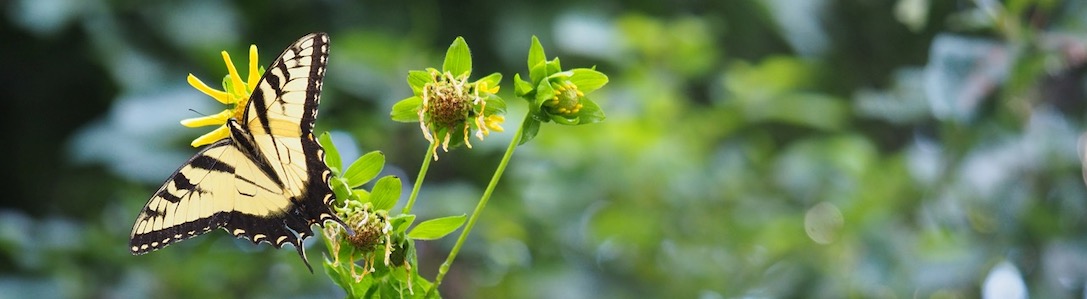
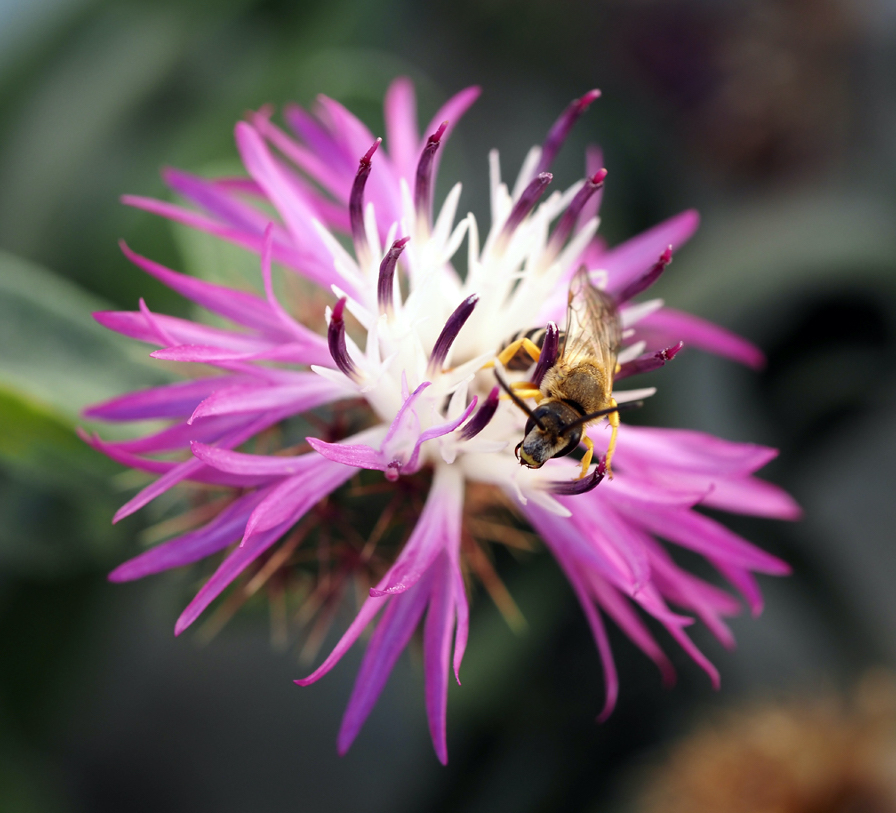
The first day I walked into the grounds at ICARDA, just a few steps in, a wild bee ran into me, hitting my face mask. I took it as an appropriate sign of welcome! Since then, no more bees have run into me, but I’ve been using my phone to capture photos of plants and insects as I walk around town. I have not mastered taking good close-ups with the phone. I’m still learning to use a new-to-me regular camera and am images from both here.
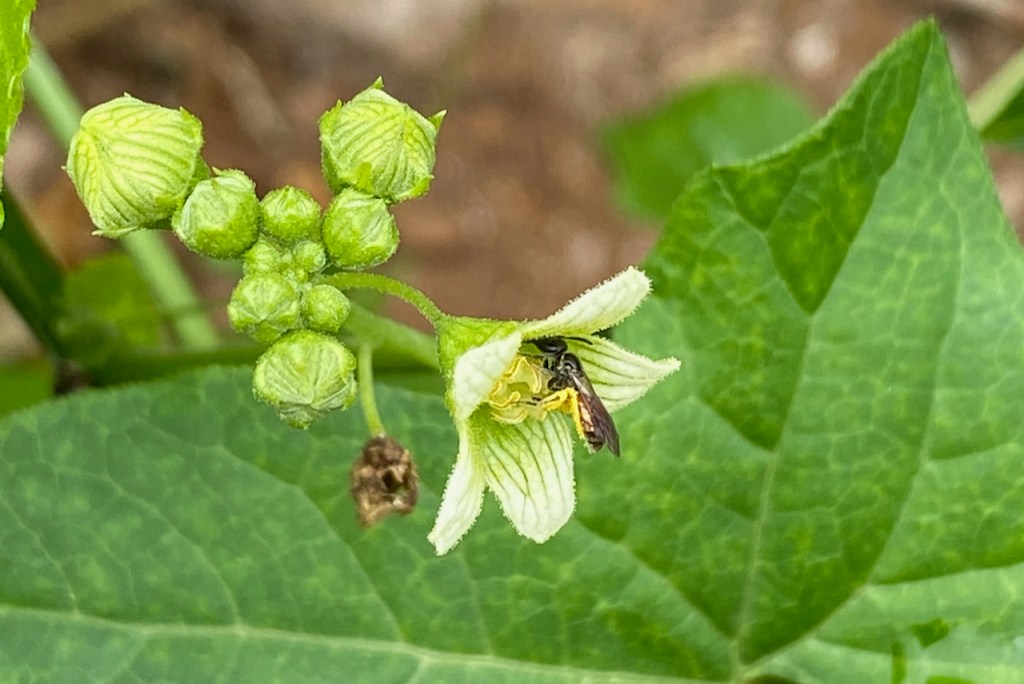

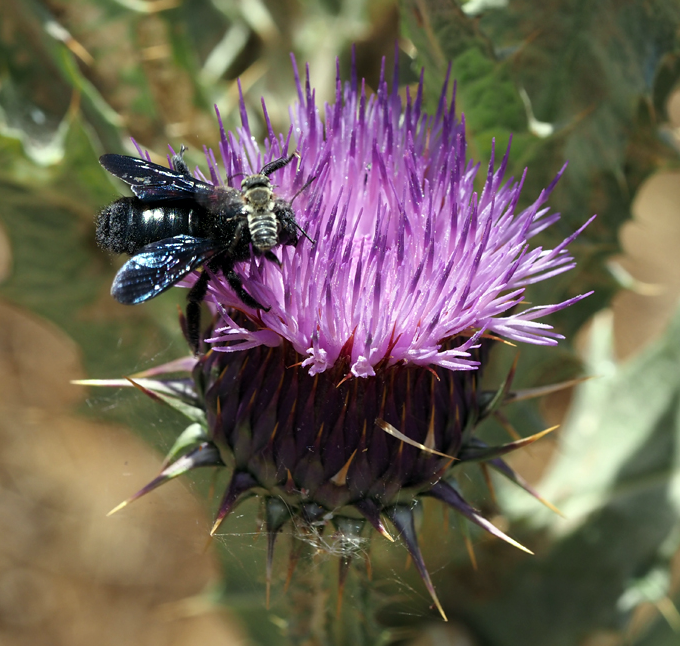
When friends helped me come up with the name Wild Bee Plantings, thought it would be a good place to share photos of the bees I saw in the Southeastern US, and also “plant” ideas for using more natives. Instead, I’ve been posting to iNaturalist since last spring’s virtual Mt Rogers event got me using the app. When you share photos c/o iNaturalist, if sharp enough and including key features at appropriate angles, they can become useful records for adding to baseline data about wildlife. Besides that, it’s an amazing tool for identification with a huge community of collaborators. You can post sounds, too–using the app to record (have not figured out yet if or how you can upload separate voice recordings). The photos I post there are rarely especially beautiful, but if I don’t know what they are, the app suggests possibilities and if that doesn’t work, volunteers will help identify it eventually to as close as to species as they can (if not, then family or genus).
I wanted to explain why I’m not posting many bees here, so if you want to check out what I’ve seen in Rabat, visit https://www.inaturalist.org/observations?place_id=any&user_id=adamson&verifiable=any. You’ll notice what seem like duplicates, and that’s because you need to have a separate entry for each species, and I usually also want to identify the plants. I’ve been uploading a lot of cultivated species, trying to learn or relearn plants here, but some of the wild plants I’ve documented were added to an African flora group–which is really neat! If you decide to try the app, just label photos in gardens when you upload those images (there’s an option to click “cultivated.”). Besides helping document wildlife, you’ll get to see what’s around you and connect with others, if you want.
 Wild Bee Plantings
Was a little behind in reading my e-mails. So glad I found yours. Love your photos and love reading your blog. Thanks for doing this. Wishing you the best Nancy.
LikeLiked by 1 person
So glad to hear this, Laurette. Thank you!! Hope all is well with you and your family!!
LikeLike